


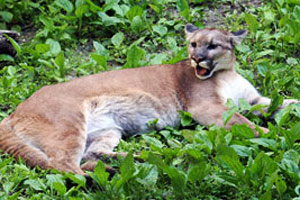


A puma is a type of mountain lion. This means that it comes from the same family, but it looks slightly different. The puma is the largest wild cat in the United States.
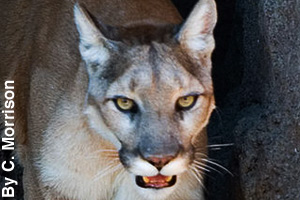
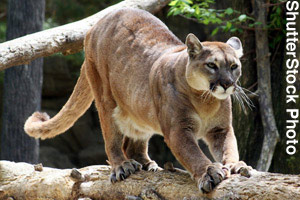
Puma fur is dark gold. It belly is a beige color. Its ears have black tips. Its nose is black. This wild cat weighs between 90 and 150 pounds. Other animals that are called mountain lions are the lynx and the panther.
A puma likes to live alone. The puma is different from most wild cats. It will hunt anytime during the day or night. It will hunts during the day if there are no people around. If there are people around, it will hunt at night.
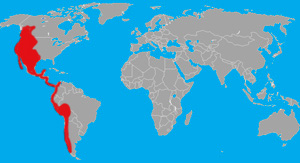
The puma can be found in North America, Central America, and South America. In North America, it is found mostly in the west.
The puma needs a lot of land in order to live. People keep taking up more and more land. So the puma is left with very little living space.
APA Style: Puma. (2020, April). Retrieved from Facts4Me at https://www.facts4me.com
MLA Style: "Puma." Facts4Me. Apr. 2020. https://www.facts4me.com.